
Some thoughts on class, opportunity and the peculiar business of funding music.
Much of my working life is spent helping musicians develop their careers, whether through management, education, mentoring or simply sitting down with someone who's trying to work out what on earth they're supposed to do next. Increasingly, those conversations involve funding. Where to find it, how to apply for it, what makes a convincing application and, occasionally, why somebody with a perfectly sensible proposal has been turned down. It's got me thinking about what we actually want music funding to achieve. Are we trying to correct historic inequalities, support people who can't afford to pursue their ambitions, encourage artistic experimentation, create a more diverse industry or invest in musicians who might eventually build sustainable careers? Presumably we're trying to do all of those things, although they're not necessarily the same objective, and when there's only so much money available, somebody has to decide which matters most.
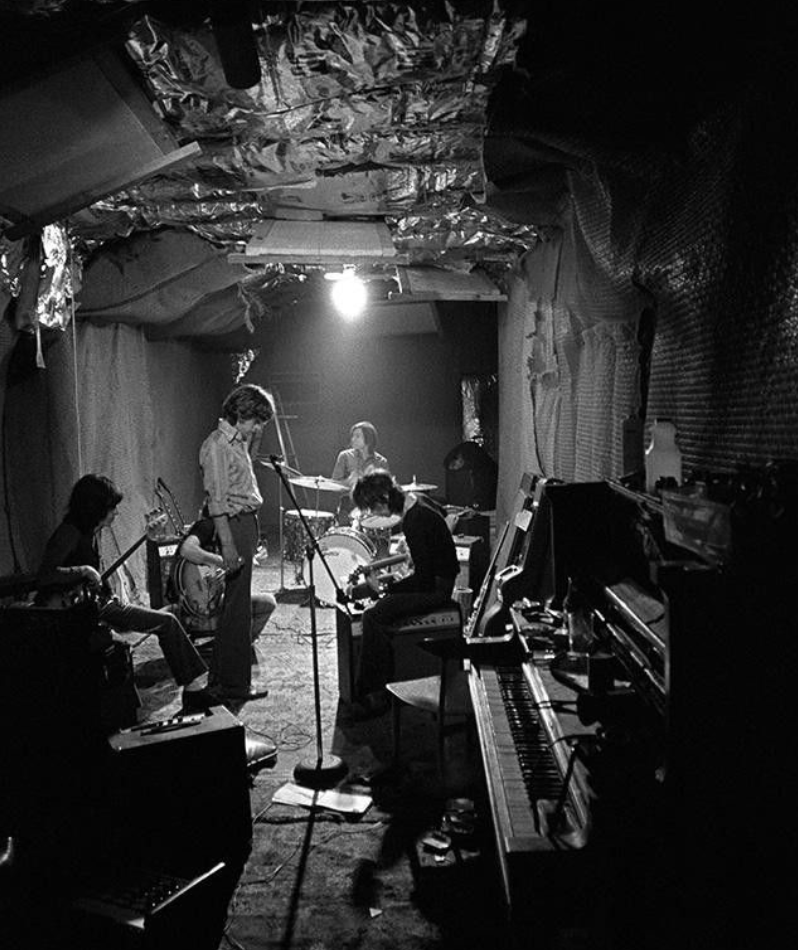
Imagine four 19-year-olds starting a guitar band somewhere in Greater Manchester. They've scraped together enough money for instruments, perhaps with a bit of help from their families, and now need somewhere to rehearse, transport to gigs, money to record a few songs and eventually some way of getting people to hear them. They're working in pubs, shops or supermarkets, fitting rehearsals around shifts and trying to persuade their mates to come and see them play on a Tuesday night. Nobody in the band has family connections in the music industry, and a £50 rehearsal room bill (if they’re lucky) is a significant expense. They're also making guitar music in a city region that gave the world Oasis, The Smiths, Joy Division, New Order and The Stone Roses. It's perfectly possible that somebody looking at Manchester's musical history might regard guitar bands as a fairly well-represented part of its cultural landscape. After all, we've hardly suffered from a shortage of successful ones. But what does the success of Oasis thirty years ago have to do with whether four teenagers in Stockport can afford to rehearse next Thursday? Not very much, I'd suggest.
The historical success of a musical genre doesn't mean that the next generation of musicians working within it has inherited the money, infrastructure or opportunities that helped their predecessors. I began thinking about this because I wondered whether young musicians making indie and guitar music might sometimes fall between the gaps. I haven't found evidence that they're systematically disadvantaged by music funding, and I wouldn't want to pretend otherwise, but the question led me somewhere more interesting. Perhaps genre isn't a particularly useful way of understanding disadvantage in the first place.