
Why a humble tin of baked beans might be an unlikely starting point for understanding artist identity, creativity and building an audience.
One of the subjects I spend a considerable amount of time discussing with emerging musicians is branding. It's also one of the subjects that tends to generate the most confusion, partly because the word itself can feel rather uncomfortable when applied to something as personal and creative as making music. Artists don't necessarily want to think of themselves as brands, and I can understand why. The idea can suggest something manufactured, overly commercial or disconnected from the reasons somebody started writing songs in the first place. However, branding doesn't have to mean any of those things. When approached properly, it can help artists develop a much clearer understanding of who they are, what they're trying to communicate and how they might establish a meaningful relationship with an audience.
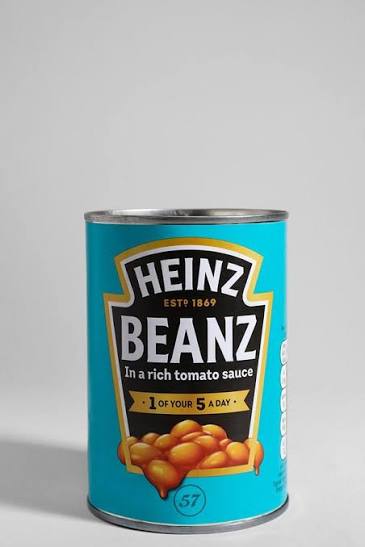
During my artist development sessions at the Royal Northern College of Music, I sometimes begin a discussion about branding with something rather less glamorous than a musician: a tin of Heinz baked beans. It's an exercise that usually raises a few smiles, but there's a serious point behind it. Most people can recognise a tin of Heinz baked beans almost immediately, often without needing to read the name. The colours, typography, packaging and decades of accumulated associations have created something instantly familiar. We might have opinions about the quality, the price or whether a supermarket alternative tastes just as good, but the brand itself is firmly established in our minds. That recognition has been developed through years of consistency, repetition and a clear understanding of how the product should be presented to consumers. Of course, musicians aren't tins of baked beans, and I wouldn't suggest that developing an artistic identity should follow exactly the same principles as selling food. Nevertheless, the exercise introduces an important question: what makes something recognisable, and why do we develop attachments to certain things over others? For musicians, this becomes particularly interesting because music is an emotional experience. Music becomes associated with relationships, places, memories, personal experiences and different periods of our lives. We form attachments to artists because something about their work connects with us, sometimes in ways that are difficult to articulate. The most compelling artists often create a world that audiences want to enter, one that extends beyond the recordings themselves. Their music, imagery, performances, personality and wider cultural references combine to establish a recognisable identity. This doesn't necessarily happen through a carefully constructed marketing campaign. Sometimes it develops instinctively, but even artists whose identities appear effortless have usually made a series of creative decisions that contribute to how they're perceived.
Branding is much more than visual identity
One of the first misconceptions I try to challenge is that branding begins and ends with a logo, a typeface or a particular colour palette. Those things can be useful, but they're really only the visible expression of something much more fundamental. Before thinking about artwork, photography or social media templates, an artist needs to consider what they're actually trying to communicate. What are the recurring themes in their music? What interests, experiences or beliefs inform their songwriting? What emotions do they want their audience to experience? What makes their approach distinctive, and how might that difference be expressed through their wider presentation? These aren't always easy questions to answer, particularly for younger artists who are still discovering themselves creatively. I don't necessarily expect somebody at the beginning of their career to have a fully developed artistic identity, and nor should they feel under pressure to establish one permanently. Musical identity changes as people grow, encounter new influences and develop greater confidence in their work. Nevertheless, beginning to think about these questions can be enormously helpful. It encourages musicians to recognise the connections between the songs they're writing, the way they present themselves and the audience they're hoping to reach.
I often use artists such as David Bowie, Kate Bush, The Smiths and PJ Harvey as examples of musicians who have developed distinctive artistic identities, albeit in very different ways. Bowie is perhaps the most obvious example of somebody who understood the possibilities of image, performance and reinvention, but what's interesting is that his different creative periods still feel connected by a recognisable artistic intelligence. Kate Bush created an extraordinary world through her music, visual presentation and willingness to pursue her own ideas, often without appearing particularly concerned about prevailing trends. The Smiths developed an identity that extended from Morrissey's lyrics and Johnny Marr's guitar playing to their record sleeves, cultural references and the sense of belonging they inspired among their audience. Their artwork, much of it drawing on cinema, literature and popular culture, became instantly recognisable without relying on conventional photographs of the band. PJ Harvey, meanwhile, has repeatedly changed her musical and visual approach while maintaining a strong sense of artistic purpose. None of these artists needed to look or sound like everybody else. Their differences became part of what made them interesting. That's something I think emerging musicians should spend more time considering, particularly in an industry that can sometimes encourage artists to imitate whatever appears to be working at a particular moment.
Finding inspiration beyond other musicians
One of my favourite exercises involves asking artists to create a mood board that reflects their music and artistic identity. However, there's a condition: they're not allowed to use photographs of other musicians or bands. Initially, some students find this surprisingly difficult. Their instinct is to reach for images of artists they admire, which is understandable, but it can also lead them towards reproducing somebody else's visual language rather than discovering their own. Instead, I encourage them to explore photography, cinema, fashion, architecture, literature, design, landscapes and everyday environments. They might find inspiration in the atmosphere of a particular film, the colours of a childhood photograph, the isolation of an urban landscape or the visual style of a magazine from another decade. The important thing is not simply collecting images that look attractive. I want them to explain why those images resonate with them and what they communicate about the music they're making.
An artist might be drawn towards faded seaside photography, empty amusement arcades and washed-out colours. Another might connect with brutalist architecture, stark monochrome imagery and the energy of late-night city streets. Neither approach is inherently better, and neither necessarily tells us what the music sounds like. However, the process encourages artists to consider the emotional and cultural associations surrounding their work. It also gives them something tangible to discuss with photographers, designers, video directors and other collaborators. This is particularly important because visual identity shouldn't exist independently of the music. If an artist is making intimate, emotionally vulnerable songs but presenting themselves through imagery that feels aggressive or completely disconnected from the material, there's potentially a problem. Of course, contrast can be a deliberate and effective creative choice, but it needs to feel intentional. The objective isn't to make everything look identical or to create an inflexible set of rules. It's to develop a sense of coherence so that the different elements of an artist's presentation feel connected.
Authenticity and artistic direction
There's a tendency to talk about authenticity as though it's something that disappears the moment an artist begins thinking strategically about their career. I don't agree with that. Being authentic doesn't mean avoiding decisions about presentation, and having a considered visual identity doesn't automatically make somebody less genuine. Every artist makes choices about what to reveal, what to emphasise and how to communicate with an audience. Even deciding not to engage with social media, not to appear in promotional photographs or not to explain the meaning of your songs contributes to how people perceive you. The difficulty arises when artists begin constructing identities based primarily on what they believe other people want to see. I've encountered musicians who feel they need to adopt a particular aesthetic because it's fashionable or create content that bears little resemblance to the music they actually want to make. Sometimes these approaches produce short-term engagement, but they can also become exhausting and difficult to sustain. A considered artistic direction should help an artist communicate their ideas more effectively, rather than dictate what those ideas ought to be.
The challenge of social media
Social media has made branding both more important and, in some respects, more complicated. Emerging artists are now expected to think about an extraordinary range of things alongside writing, recording and performing music. They need photographs, videos, artwork, biographies, promotional assets and a seemingly endless supply of content. There's constant advice about posting frequency, algorithms, engagement, storytelling and the types of videos that supposedly perform best. Much of this advice is presented as though there's a universal formula for success. I think that can be quite damaging, particularly for artists who are still developing their confidence and creative identity. Instead of asking what they want to communicate, they begin asking what the algorithm wants them to produce. Their social media accounts can become collections of disconnected trends, promotional announcements and attempts to generate engagement, with very little sense of the person or the music behind them.
When I'm discussing social media with artists, I often suggest that they look at their own profiles from the perspective of somebody encountering them for the first time. What impression would that person form? Would they understand the kind of artist they're looking at? Is there anything that might encourage them to investigate further? Does the content create a sense of personality, atmosphere or connection, or does it simply ask people to stream the latest single? This doesn't mean every post needs to be beautifully photographed or meticulously planned. In fact, some of the most effective content is spontaneous, imperfect and entirely unpolished. A rehearsal clip, a photograph taken on the way to a gig, a conversation about a song or a glimpse into somebody's creative process can all communicate something valuable. The challenge is to find an approach that feels manageable and sustainable rather than turning the artist into a reluctant full-time content creator. I would also distinguish between visibility and meaningful audience development. A video might attract hundreds of thousands of views without persuading many people to listen to a song, attend a concert or develop any lasting interest in the artist behind it. Numbers can be useful, but they don't always tell us very much about the strength of an artist's relationship with their audience.
Understanding your audience without chasing one
Another important aspect of branding is understanding who might connect with your music. This is sometimes misunderstood as identifying a narrow demographic and then designing everything around what that group supposedly wants. I think that's a rather limiting way to approach audience development, particularly for emerging musicians. Instead, I'm interested in the cultural and emotional connections that might exist between an artist and their potential audience. What other music might those listeners enjoy? Where do they discover new artists? What venues do they visit? What films, books, fashion or wider cultural interests might overlap with the world the artist is creating? These questions can be much more useful than simply deciding that your audience consists of people aged between 18 and 25.
I also think artists should recognise that audiences develop through relationships and shared experiences. Somebody who discovers a band playing to thirty people in a small venue might develop a much stronger attachment than somebody who encounters the same band briefly through a social media feed. The live experience, the conversations afterwards, the atmosphere in the room and the sense of discovering something before everybody else can all contribute to an artist's identity. In that sense, branding isn't something that exists exclusively online or in promotional material. It's communicated through behaviour, performance, personal interaction and the way an artist conducts themselves within their wider musical community. For this reason, I encourage musicians to think about the experience they're creating around their music, rather than simply the individual promotional assets they're producing. A strong artistic identity should be recognisable in a live performance just as much as it is on an Instagram profile or record sleeve.
When should an artist start thinking about branding?
My answer is usually much earlier than they imagine, although I wouldn't suggest that anybody should delay making or releasing music indefinitely while they develop the perfect visual identity. There's a balance to be found. I sometimes encounter artists who have spent an extraordinary amount of time thinking about logos, merchandise, photographs and social media strategies but have relatively little finished music. That's putting things the wrong way around. The songs, the creative development and the ability to communicate something meaningful through music have to remain central. No amount of clever branding can compensate for material that isn't ready. Equally, I've worked with musicians who have written some excellent songs but have given almost no consideration to how they're going to present themselves. They reach the point of releasing music and suddenly need artwork, photographs, a biography and some sort of coherent promotional campaign. Because those conversations haven't happened earlier, decisions are made quickly and often without much connection to the music itself.
Ideally, these things should develop alongside one another. As an artist writes and records, they can begin collecting visual references, thinking about recurring lyrical themes, experimenting with photography and considering how they want their work to be experienced. They don't need an expensive designer, a professional marketing team or a comprehensive brand document to begin this process. A notebook, a collection of images and some thoughtful conversations can be a perfectly good starting point. I also encourage artists to seek opinions from people they trust, although there's a danger in allowing too many voices to influence the process. Friends, family members, managers, photographers and other musicians can all offer useful perspectives, but ultimately the artist needs to make the decisions about their own creative direction.
Building something people remember
Perhaps the most important point I try to make is that branding isn't about making an artist look more successful than they are. It's about developing a recognisable identity that helps people understand, remember and connect with the music. We're operating in an environment where the barriers to releasing music have never been lower, but attracting and retaining an audience remains enormously difficult. Musicians are competing for attention in a crowded cultural landscape, often with limited resources and very little professional support. It's tempting to respond by doing more of everything: posting more frequently, releasing more content, following more trends and attempting to maintain a presence on every available platform. However, I think there's a strong argument for spending more time considering what makes an artist distinctive in the first place.
The artists who stay with us tend to offer something beyond a collection of recordings. They create associations, memories and a sense of connection that can remain with an audience for years. Sometimes that comes from a striking visual identity, sometimes from a particular lyrical perspective, sometimes from an unforgettable live performance. More often, it's a combination of things that gradually become inseparable from the music itself. I don't believe emerging musicians need to become marketing experts, and I certainly don't want them spending more time studying social media analytics than developing their craft. What I do believe is that understanding branding can help them make better creative decisions, communicate more effectively and build relationships with audiences who genuinely care about what they're doing.
Ultimately, your brand isn't simply what you say about yourself, or even what you choose to show people. It's the impression that develops through everything you create and every interaction somebody has with your work. The question I would encourage every emerging artist to consider isn't simply, 'How do I get more people to hear my music?' It's also, 'When somebody does discover me, what will make them want to stay?'
That, for me, is where the real value of branding begins. If a tin of baked beans can help start that conversation, perhaps it's not such a ridiculous teaching exercise after all.