

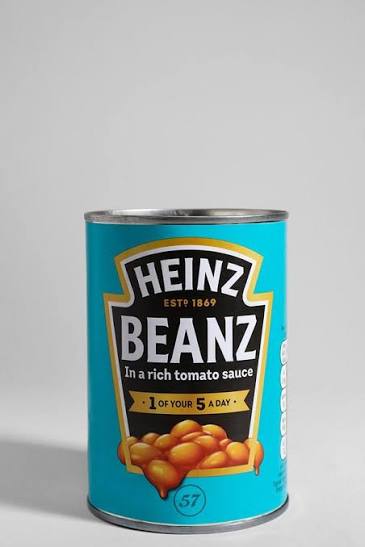
Why a humble tin of baked beans might be an unlikely starting point for understanding artist identity, creativity and building an audience.
One of the subjects I spend a considerable amount of time discussing with emerging musicians is branding. It's also one of the subjects that tends to generate the most confusion, partly because the word itself can feel rather uncomfortable when applied to something as personal and creative as making music. Artists don't necessarily want to think of themselves as brands, and I can understand why. The idea can suggest something manufactured, overly commercial or disconnected from the reasons somebody started writing songs in the first place. However, branding doesn't have to mean any of those things. When approached properly, it can help artists develop a much clearer understanding of who they are, what they're trying to communicate and how they might establish a meaningful relationship with an audience.
During my artist development sessions at the Royal Northern College of Music, I sometimes begin a discussion about branding with something rather less glamorous than a musician: a tin of Heinz baked beans. It's an exercise that usually raises a few smiles, but there's a serious point behind it. Most people can recognise a tin of Heinz baked beans almost immediately, often without needing to read the name. The colours, typography, packaging and decades of accumulated associations have created something instantly familiar. We might have opinions about the quality, the price or whether a supermarket alternative tastes just as good, but the brand itself is firmly established in our minds. That recognition has been developed through years of consistency, repetition and a clear understanding of how the product should be presented to consumers. Of course, musicians aren't tins of baked beans, and I wouldn't suggest that developing an artistic identity should follow exactly the same principles as selling food. Nevertheless, the exercise introduces an important question: what makes something recognisable, and why do we develop attachments to certain things over others? For musicians, this becomes particularly interesting because music is an emotional experience. Music becomes associated with relationships, places, memories, personal experiences and different periods of our lives. We form attachments to artists because something about their work connects with us, sometimes in ways that are difficult to articulate. The most compelling artists often create a world that audiences want to enter, one that extends beyond the recordings themselves. Their music, imagery, performances, personality and wider cultural references combine to establish a recognisable identity. This doesn't necessarily happen through a carefully constructed marketing campaign. Sometimes it develops instinctively, but even artists whose identities appear effortless have usually made a series of creative decisions that contribute to how they're perceived.
